The Civilizational Shelf
Predictive History · Great Books
01 / 10
Secrets of the Universe
What a great book asks us to become.
The Civilizational Shelf · Static catalog
Ten paths into civilization.
The complete catalog remains readable while the interactive shelf is prepared.
Binding the collection
A note from the maker · 2026
What am I trying to become?
The question behind this project is simple. What kind of teacher can I become if I stop using knowledge to avoid my life and start using it to organize my life?
I Anger
II Ambition
III Tenderness
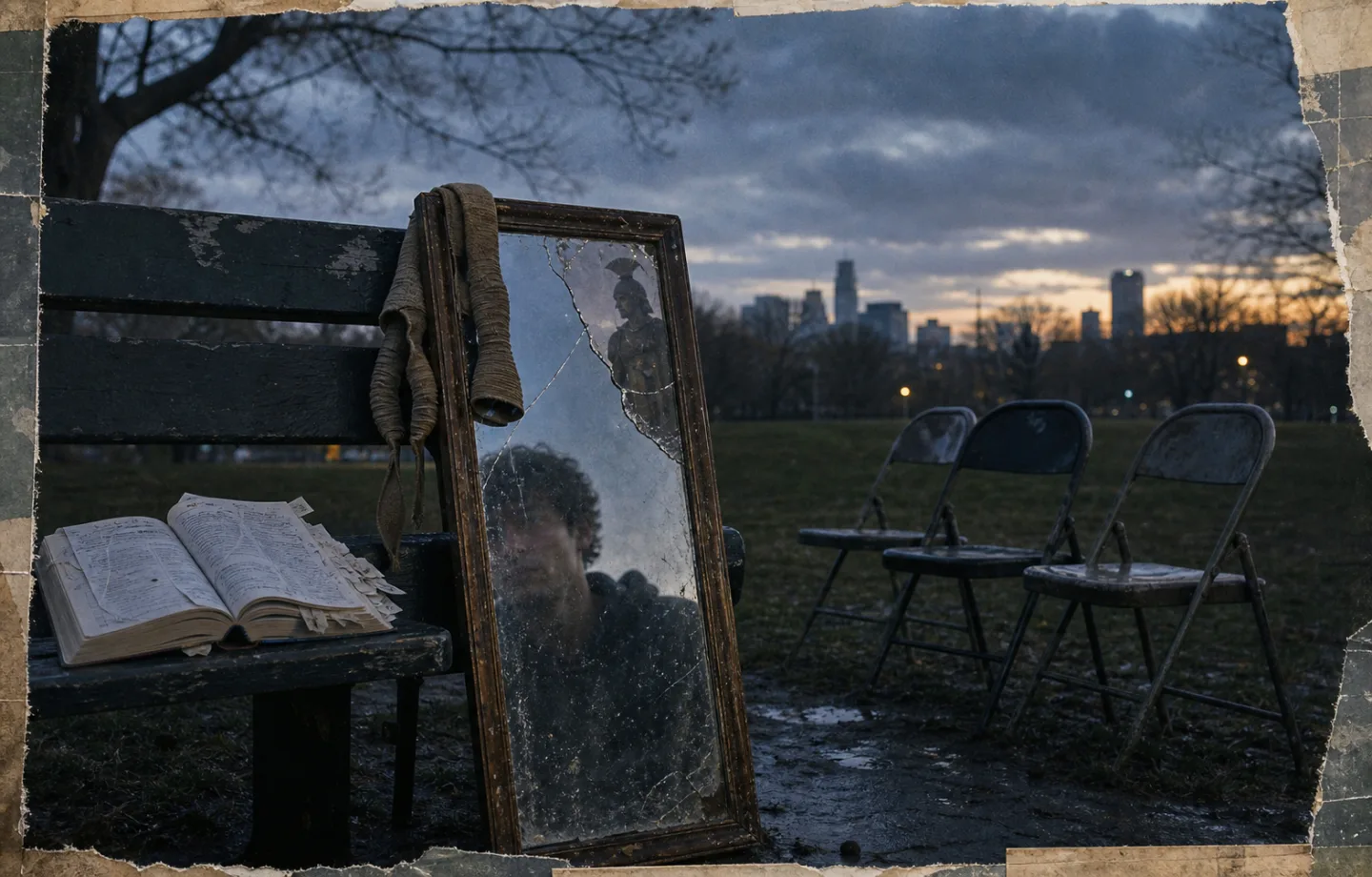
Anger: what was it protecting?
Achilles first gave me a language for the force I knew but did not know how to hold. His anger is immense because his wound is immense. He can bend a war around his refusal, yet he cannot make himself invulnerable to grief. When students said the Iliad lecture felt like a mirror, I understood why. The poem does not ask us to admire anger from a safe distance. It asks what our anger is protecting, whom it punishes, and what it costs while we call it strength.
My writing about my father belongs in this chapter. His absence left me angry at what I did not receive and afraid of repeating it. I could turn that hurt into analysis before I let myself feel it. Writing “Dear Dad” and “What is a father?” did not resolve the wound. It made the wound visible. It forced me to ask what kind of presence I would offer when the person who should have taught me presence chose not to be there.
That was the first turn: anger did not have to become my identity. It could become evidence. Under it was grief. Under the grief was a wish to be known, guided, and chosen. If I could admit that tenderness without despising it, I could stop passing the absence forward.
Ambition: when achievement became armor
In 2025 I had to admit that I could explain systems and help other people ship while failing to direct those skills toward my own life. I collected frameworks faster than I used them. I could build a complex system before proving that a simple one worked. I was better at designing a life than living one.
Ambition protected me too. As long as I was learning, building, or planning something impressive, I did not have to face the ordinary work I was avoiding. Philosophy could name an emotion before I felt it. A new tool could create motion without asking whether I was moving. I called my review a strategic postmortem because I needed evidence, not another story about how smart or broken I was.
Professor Jiang gave me a clearer test: mass × energy × coordination. I already had mass—books, notes, code, skills, work experience, and people willing to help. I often mistook stored capacity for momentum. Energy meant the sleep, breath, health, grief, and meaning I could actually bring to that capacity. Coordination meant choosing what joined the book to the lesson, the lesson to a person, and the person to a next action.
MassWhat have I gathered?
EnergyWhat can I honestly bring?
CoordinationWhom does the work help move?
Game theory made the final question impossible to avoid. Other people have goals, fears, beliefs, and choices of their own. Strategy is not arranging the world around my ambition. It is learning the situation well enough to create a move other people can enter. Exceptionalism stopped meaning that I was privately special. It became a responsibility to develop what I have and direct it toward more than my own image.
Tenderness: the discipline of staying
Tenderness is not the opposite of rigor. It is what makes rigor answerable to a human life. Once I saw the gap in myself, an idea had to change what I did with a morning, how I cared for my body, how I treated a friend, or what a student could do next. Knowledge had to return me to life with better judgment.
That is why teaching became central. At KVibe Studios, I kept the workshops small because I did not want to perform expertise at a room. I wanted each person to ask several questions and leave with a clearer next move. Care was part of the method. So were real costs, failed demos, and the limits of what AI could do. If I could not show the receipt, I did not want to make the claim.
I taught through means, motivation, and opportunity. Means asks what a person already has. Motivation asks what change they want enough to work for. Opportunity asks for the smallest useful result they can make now. The first win is small on purpose. It lets a person feel evidence, not just receive advice.
I am training Alex for a fight on August 11. We meet at 6 a.m. in a local park. That detail belongs in this story because another person now feels the quality of how I direct myself. If I arrive tired or distracted, his session gets worse. Care requires preparation. Tenderness can look like wrapped hands, a plan, and being there before sunrise.
The park has changed for me too. It is where I can train, notice where I live, and think without another screen in front of me. I wanted more time for imagination. I began to understand that imagination is not an escape from discipline. It depends on protected time, rest, health, and enough inner quiet to notice a future before it exists.
Why civilization, and why a shelf?
The Great Books hold these three forces at human scale. Anger can reveal a wound or consume a world. Ambition can build a civilization or make another person into material. Tenderness can restore what power alone cannot. The books do not make those choices for us. They let us see the choices before we repeat them.
I do not want the shelf to turn those books into trophies or short summaries. I want each lecture to preserve Professor Jiang's three questions and give the reader a place to continue. A question keeps the work open. It lets a person test an old argument against a current life.
This is what I mean when I call great books technologies of human possibility. Civilization becomes useful when inherited knowledge changes how I direct myself, how I meet another person, and what future we can coordinate together.
For Professor Jiang
Thank you. I remember your late December letter about turning 34 because it reached me when I needed to reorganize my life around imagination without giving up discipline or strategy. Your work gave me a standard for joining those things.
I am trying to become the kind of teacher who keeps learning in public and takes old knowledge seriously. I want to give that knowledge back in a form that helps another person move. I am trying to build systems that give people more time to live. I am also testing whether my ideas remain useful during an ordinary morning, while caring for my body, while helping a friend, and while teaching a room of students.
I hope to share this shelf with you when you come to America, and especially New York. This project is my thank you.
Sources and further reading
Raw reflections on 2025 · How to learn AI on the job · What is a father? · Dear dad · JavaScript 101 workshop
Predictive History Substack · the publication that carried Professor Jiang's work into this project.
I verified the recent public X article list and the public Predictive History archive. The archive search did not surface the exact birthday letter from late December, so this page uses the principles you carried from it without presenting an unverified quotation.